Hachioji Matsuri
MatsuriKanto(Tokyo)
Annual eventDates
—
Venue
Koshukaidou Street and Nishi-Hossoji Temple area
Admission
Free
Crowd Level
Moderate crowdKanto(Tokyo)
Annual eventDates
—
Venue
Koshukaidou Street and Nishi-Hossoji Temple area
Admission
Free
Crowd Level
Moderate crowdSummer is festival season in Japan. From massive fireworks shows to ancient dance traditions, here are the must-see summer festivals and practical tips for enjoying them.
Japan's best festivals don't have to cost a thing. Discover free matsuri, fireworks shows, and cultural events across every region — plus budget tips for paid events.
Japanese festivals (matsuri) are incredible cultural experiences, but they come with their own rules and customs. Learn the etiquette, what to wear, and how to fully enjoy a matsuri.
Tokyo's western suburb festival with 19 ornate floats parading through the streets.
Hachioji Matsuri is one of the largest traditional float festivals in the Kanto region, featuring 19 elaborately carved dashi floats and 10 mikoshi. The festival transforms the streets of Hachioji into a spectacular parade ground as the ornate floats are pulled through the city center. The highlight is the dramatic confrontation of floats at intersections, accompanied by lively hayashi festival music.
Hachioji Matsuri takes place from 2026-08-07 to 2026-08-09.
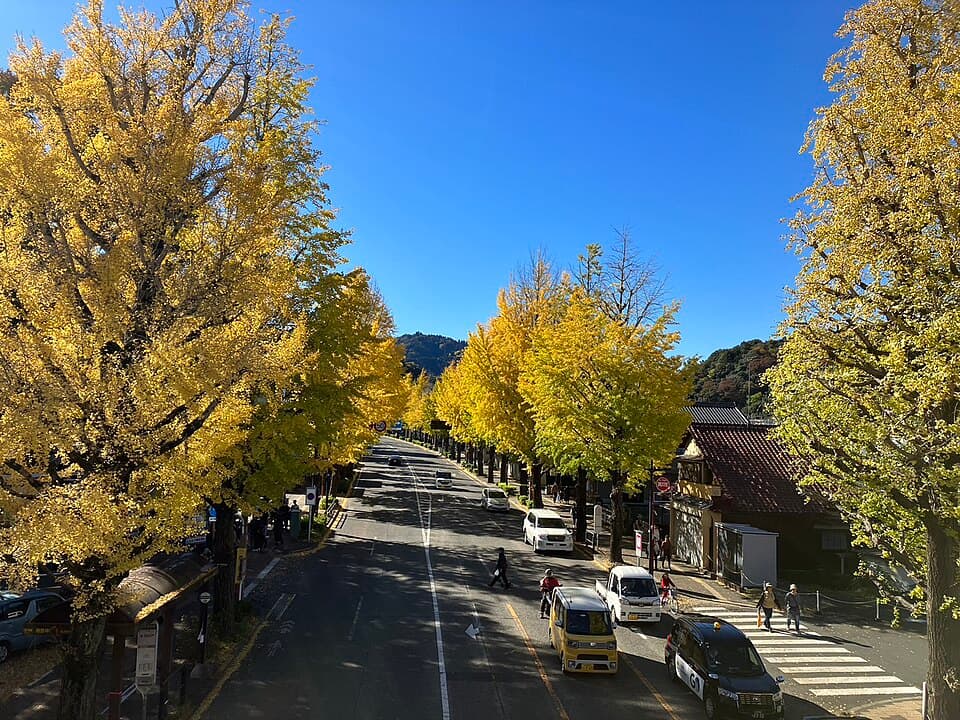
Hachioji Matsuri is held at Koshukaidou Street and Nishi-Hossoji Temple area in Tokyo, Japan.
Yes, Hachioji Matsuri is free to attend.
The admission fee for Hachioji Matsuri is ¥0.
The crowd level at Hachioji Matsuri is typically moderate.
Yes, Hachioji Matsuri is held annually.
Hachioji Matsuri is a matsuri festival in Japan.
Highlights of Hachioji Matsuri include: Spectacular confrontation of elaborately carved dashi floats at intersections; 19 ornate floats with intricate wood carvings; Mikoshi parade with energetic bearers.
Tips for Hachioji Matsuri: The evening hours are the most spectacular when the floats are illuminated. August 8 is typically the busiest day with all floats assembled. The festival area extends along the main street and is easy to walk..
Hachioji Matsuri welcomes international visitors. It is a great way to experience Japanese culture.
Access information for Hachioji Matsuri: JR Hachioji Station (North Exit), 1 min walk to the festival area along Koshukaidou Street. From Shinjuku, take the JR Chuo Line Rapid (about 45 min)..
Comfortable walking shoes are recommended. Tips: The evening hours are the most spectacular when the floats are illuminated. August 8 is typically the busiest day with all floats assembled. The festival area extends along the main street and is easy to walk..
Photography is generally welcome at Hachioji Matsuri. Check specific rules at the venue.
Hachioji Matsuri is a family-friendly festival that visitors of all ages can enjoy.
Festival food stalls (yatai) at Hachioji Matsuri typically serve popular Japanese street food including yakisoba, takoyaki, and kakigori. Some festivals feature regional specialties.
Yes, wearing a yukata (casual kimono) is very common and encouraged at Hachioji Matsuri. Many visitors rent yukata nearby.
Parking can be limited during Hachioji Matsuri. Public transportation is recommended. Check access details: JR Hachioji Station (North Exit), 1 min walk to the festival area along Koshukaidou Street. From Shinjuku, take the JR Chuo Line Rapid (about 45 min)..
Spectacular confrontation of elaborately carved dashi floats at intersections; 19 ornate floats with intricate wood carvings; Mikoshi parade with energetic bearers
JR Hachioji Station (North Exit), 1 min walk to the festival area along Koshukaidou Street. From Shinjuku, take the JR Chuo Line Rapid (about 45 min).
The evening hours are the most spectacular when the floats are illuminated. August 8 is typically the busiest day with all floats assembled. The festival area extends along the main street and is easy to walk.
📍 Koshukaidou Street and Nishi-Hossoji Temple area